

Hereditary Cancer Genetic Test

Access insight to your hereditary cancer risk for proactive care.
Home Test
£60.00
Clinic Test
Knowledge Empowered: The Hereditary Cancer Genetic Test
When abnormal cells in the body grow rapidly and uncontrollably, certain genes mutate into what is known as cancer. Cancer can occur either sporadically (over time due to risk factors) or due to genetics (where mutations exist from birth and are passed down from one generation to another).
In cases where cancer may be hereditary, or genetic, there are ways to discover your risk of developing that type of cancer. This is done through the hereditary cancer genetic test, which is a simple cheek swab to give you a detailed analysis of hereditary cancer genes that you may or may not have.
Know Your Cancer Risk
The test itself can be done at home or in one of our six conveniently located clinics. It tests for 19 hereditary cancer panels for cancers such as prostate, breast, and colorectal. As each individual is different, you should consult with your healthcare provider to determine which panel is ideal for you.

Genetics Revealed

Simple Testing
The hereditary cancer genetic test requires a buccal (cheek) swab, which can be done at home or in a clinic.

Convenient Clinics
We have six locations throughout the UK including East London, Watford, Essex, Kingston, Birmingham and Leicester.

Tests for 19 Hereditary Cancers
Each panel focuses on a particular set of genes that determine your risk of developing certain cancers.
Start Your Test Today
Want to discover your risk and take a proactive step for your health?

How The Hereditary Cancer Genetic Test Works

1. Test
You can test at home with a simple cheek swab, or have us do it for you in one of our clinics.
2. Laboratory
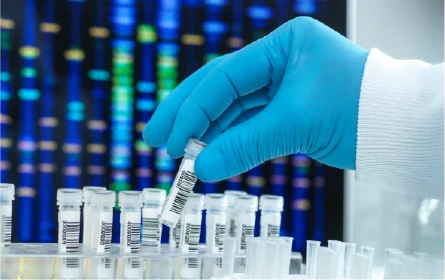
Your sample will be tested in a UKAS-accredited, award-winning laboratory.

3. Results
You will receive a report with your results that analyse your cancer risk.
Your Hereditary Cancer Genetic Test Questions Answered
No, testing positive for a genetic cancer mutation does not guarantee that you will develop cancer. It indicates an increased risk or predisposition to certain types of cancer. This test provides valuable information that can help guide medical decisions, such as proactive screening and preventive measures. However, lifestyle choices, environmental factors, and other genetic variations also play a role in determining an individual’s overall cancer risk. It is important to work closely with healthcare professionals to develop a personalised care plan based on your specific genetic profile and other relevant factors.
Some common hereditary cancers are breast cancer, colorectal cancer, and prostate cancer.
Hereditary cancer syndromes, also referred to as cancer predisposing syndromes, are conditions that elevate an individual’s risk of developing specific cancers in the future. These syndromes arise when genes responsible for maintaining our overall health undergo mutations, resulting in various symptoms that can potentially impact quality of life. Moreover, hereditary cancer syndromes can be passed down from one generation to the next.
Key Characteristics of Hereditary Cancer Syndromes:
- Multiple cancer types
- Recurrence of cancers
- Early onset of cancer at a young age
If you have received a cancer diagnosis and exhibit any of the aforementioned characteristics, it is possible that you have hereditary cancer syndrome. Identifying such a syndrome can shed light on the causative factors behind your cancer and help you understand its underlying mechanisms.
Why Choose DNA Plus?
1
Accredited Testing
Our samples are tested in an award-winning, accredited laboratory
2
Understanding Care
We recognise that genetic testing may be emotionally difficult, and we care with compassion.
3
Accurate and Precise
As the test and analysis focuses on genetic changes, it allows for sensitive and reliable results.
Make An Informed Decision Today
The hereditary cancer genetic test helps you to target your healthcare to monitor for cancer early, when treatment is more beneficial. As well as being helpful for you personally, it may also help to provide actionable information for members of your family who may carry the same genetic mutation, and possibly allow for drug therapy (chemoprevention) where applicable.
If you’re ready to take control of your health and make informed decisions about your cancer risk, our advanced hereditary cancer genetic test is here to help. With the information it provides, you can discover how your genes may impact your cancer risk and take proactive steps towards personalised management. Take the first step today.